Juicy English
  • Home
  • Store
  • Fase6
    • Primergrado
    • Segundogrado
    • Tercergrado
  • Cycle4
    • Firstgrade
    • Secondgrade
    • Thirdgrade
    • adaptedmaterials
    • recuperacion
  • Blog
  • reforzamiento
  • reforzamiento2
  • adistancia
    • adistancia1g
    • adistancia2g
    • adistancia3g
  • hibrida
    • hibrida1g
    • hibrida2g
    • hibrida3g
  • aprendeencasa
  • covid19
  • listenandfillin
  • listenandreadalong
  • LearnEnglish
    • Grammar
    • Vocabulary
  • Contact Me
  • adistancia1g

Types of TV programs

12/14/2020

0 Comments

 
Category: Topics in the syllabus
Picture
Picture
TV program
A TV program, also called television show, is a segment of content intended for broadcast on television. 
Cartoon
A cartoon is a program that features animated characters.
Examples: ​The Simpsons, Dragon ball super, Naruto, Rick and Morty, Pokémon, The fairly oddparents & SpongeBob SquarePants.
Cookery
A TV program hosted by famous chefs, who teach people how to cook.
Examples: ​Iron chef & Celebrity cooking showdown.
Documentary
A documentary is a non-fictional program that documents real life events, usually created for educational purposes. 
Examples: ​The last dance, Rise of empires: Ottoman & Leaving Neverland.
Drama
A fictional or true story, featuring actors and actresses who are dealing with struggles of daily life. 
Examples: The crown & You.
Game show
A game show that features contestants who play competitive games or solve quizzes/ puzzles, usually for money.
Examples: ​Who wants to be a millionaire?, The secret password is… & Jeopardy​
Kids
TV programs produced for children.
Examples: ​Sesame street & Hannah Montana.
Makeover
A TV program that helps people change their image or lifestyle.
Examples: ​The biggest looser & Extreme makeover. 
News
A show that reports world events as they unfold. 
Examples: ​CNN News, CBS Evening News & 60 Minutes.
Reality show
A show with ordinary people, showing what they do in strange situations.
Examples: ​Big brother, Survivor, Keeping up with the Kardashians & The bachelor.​
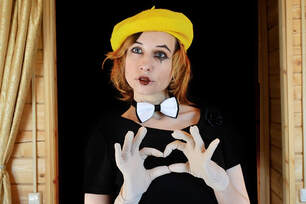
Sitcom (Situation comedy)
An entertaining TV program with characters in different amusing (comical) situations.
Examples: ​Two and half men, The big bang theory, Modern family, Malcolm & Friends.​
Soap opera
It's a drama serie dealing typically with daily events in the lives of the same group of characters.
Examples: ​Maria la del barrio, Coronation street & The bold and the beautiful.
Sports
A TV program that features sports or sporting events. 
Examples: ​Super Bowl, Mexican Soccer League, Olympic games, World cup, Grand slam cup, Formula 1 & WWWE.​
Talk shows
A TV program in which various topics are discussed informally and guests or studio audience are invited to participate in the discussion.
Examples: ​The tonigh show, The Ellen DeGeneres show & The Opran Winfrey show. 
Travel
A TV program that features popular holiday destinations or travel reviews.
Examples: ​Gordon's great escape, Travel man & Race across the world.​
Wildlife program
A show about animals, plants, or other non-human living creatures and how they live. 
Examples: ​Planet Earth & The cocodrile hunter.
0 Comments

Film genres

11/29/2020

0 Comments

 
Category: Topics in the syllabus

Picture
Picture
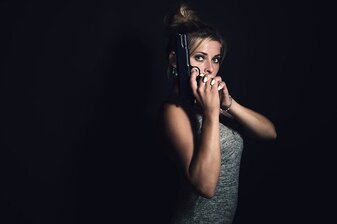
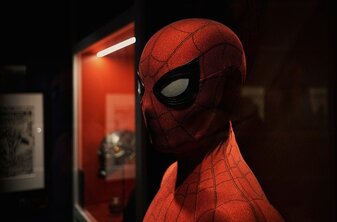
Characteristics and examples of film genres
Action
Picture
Picture
Characteristics:
  • ​The hero battles with villains - El héroe lucha con villanos.
  • It includes a lot of action like fights, car chases, stunts, rescues and escapes - Incluye mucha acción como peleas, persecuciones de autos, acrobacias, rescates y escapes.
  • It usually features superheroes - Por lo general, presenta superhéroes.
Examples:
Marvel movies, The fast and the furious, Superman, Transformers and James Bond.
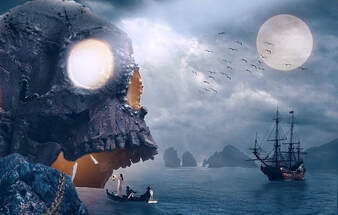
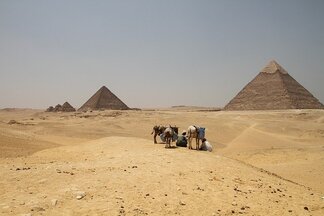
Adventure
Picture
Picture
Characteristics:
  • It features exciting stories in exotic, far away, or unfamiliar places -  Presenta historias emocionantes en lugares exóticos, lejanos o desconocidos.
  • The protagonist is in dangerous or risky situations - El protagonista se encuentra en situaciones peligrosas o de riesgo.
  • The protagonist save others from danger - El protagonista salva a otros del peligro.
  • The antagonists tend to be extremely evil - Los antagonistas tienden a ser extremadamente malvados.
  • It's usually built around a quest - Por lo general, se basa en una misión.
  • There are treasure hunts, expeditions, hidden maps and traps - Hay búsquedas del tesoro, expediciones, mapas ocultos y trampas.
Examples:
Indiana Jones and the Raiders of the Lost Ark, Lord of the rings, Pirates of Caribbean,  and Tomb raider.
Comedy
Picture
Picture
Characteristics:
  • It's funny and entertaining - Es divertida y entretenida.
  • It makes the audience laugh - Hace reír a la audiencia.
  • The protagonists are usually in challenging, amusing, or humorous situations they're not prepared to handle - Los protagonistas suelen encontrarse en situaciones desafiantes, divertidas o graciosas que no están preparados para manejar.
Examples:
You don't mess with the Zohan, Zoolander, Wedding crashers, Meet parents and There's something about Mary.
Drama
Picture
Picture
Characteristics:
  • ​It features realistic characters, settings, stories, and real-life situations - Presenta personajes reales, escenarios, historias y situaciones de la vida real.
  • The characters deal with struggles of everyday life - Los personajes lidian con conflitos de la vida cotidiana.
Examples:
12 years a slave, Bridge of spies and Casablanca.
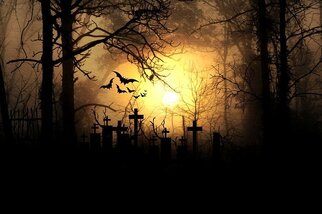
Horror
Picture
Picture
Characteristics:
  • It's designed to frigthen and to invoke hidden fears - Está diseñado para asustar e invocar miedos ocultos.
  • Scary visuals and sound effects add elements of horror - Los efectos visuales y de sonido de miedo añaden elementos de terror.
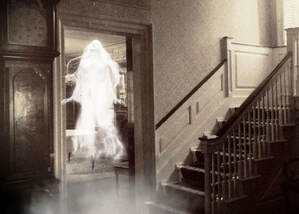
  • There are supernatural beings such as haunted houses, ghosts, vampires, zombies, etc. - Hay seres sobrenaturales como casas encantadas, fantasmas, vampiros, zombies, etc.
Examples:
The exorcist, The ring, Bram Stoker's Dracula and The conjuring. 
Romance
Picture
Picture
Characteristics:
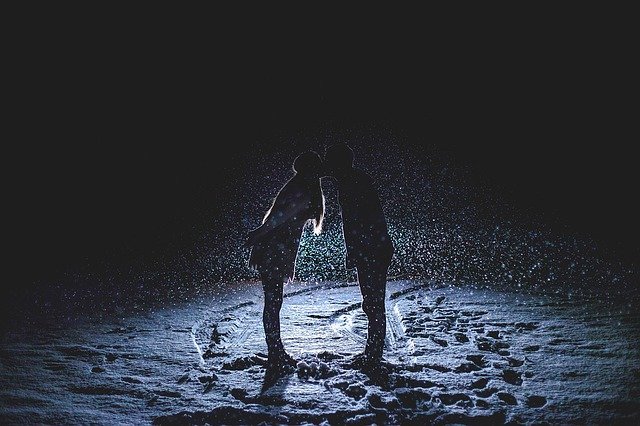
  • ​Two characters fall in love, but face conflicts - Dos personajes se enamoran, pero enfrentan conflictos.
  • There's a happy period of time - Hay un período de tiempo feliz. 
Examples:
Titanic, Pretty woman and The notebook.
Science fiction
Picture
Picture
Characteristics:
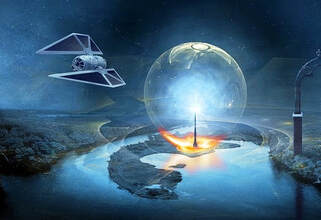
  • ​It's set in the future and there are some imaginary scientific developments - Está ambientado en el futuro y hay algunos desarrollos científicos imaginarios.
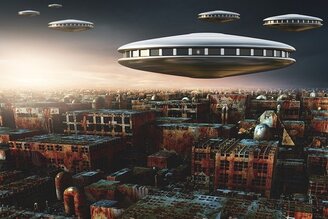
  • It features extraterrestrial lifeforms - Presenta formas de vida extraterrestres.
  • There are time travels, teleportations, mind control, space travels, and fictional worlds - Hay viajes en el tiempo, tele-transportaciones, control mental, viajes espaciales y mundos ficticios.
Examples:
Star wars, Star trek, Terminator, Maze runner, Ex Machina and The fifth element.
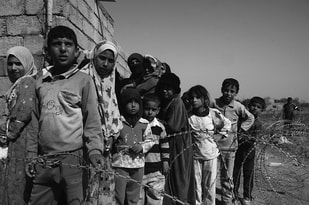
War
Picture
Picture
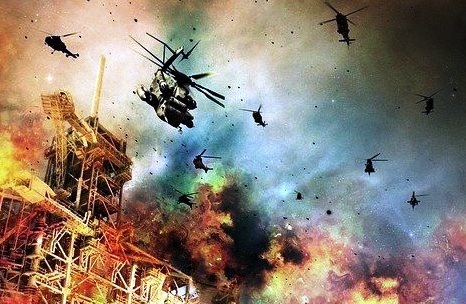
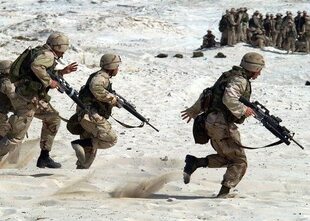
Characteristics:
  • It ​features warfare, typically about naval, air, or land battles, with combat scenes - Presenta guerras, generalmente sobre batallas navales, aéreas o terrestres, con escenas de combate.
  • It includes battles that involve tanks, fighter planes, warships, firearms, and hand-to-hand combat - Incluye batallas que involucran tanques, aviones de combate, buques de guerra, armas de fuego y combate cuerpo a cuerpo.​
  • It explores the psychological aspects of war, including the mental strain that combat exerts on soldiers - Explora los aspectos psicológicos de la guerra, incluida la tensión mental que el combate ejerce sobre los soldados.
Examples:
Saving private Ryan, The thin red line, Platoon, Schindler's list and 1917.
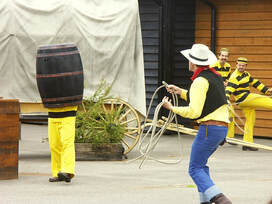
Western
Picture
Picture
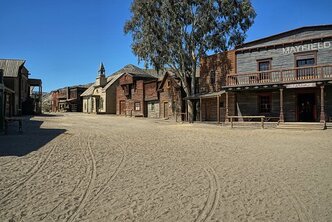
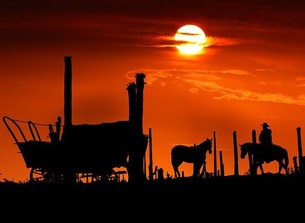
Characteristics:
  • The main character is usually a cowboy or outlander armed with a revolver and a rifle who rides a horse - El personaje principal suele ser un vaquero o un forastero armado con un revólver y un rifle que monta a caballo.
Examples:
Tombstone, 3:10 to Yuma, Brokeback mountain, Django unchained, Unforgiven and Back to the future part III.
0 Comments

Elements of the script explicado en español

11/28/2020

0 Comments

 
Category: Topics in the syllabus
Picture
Picture
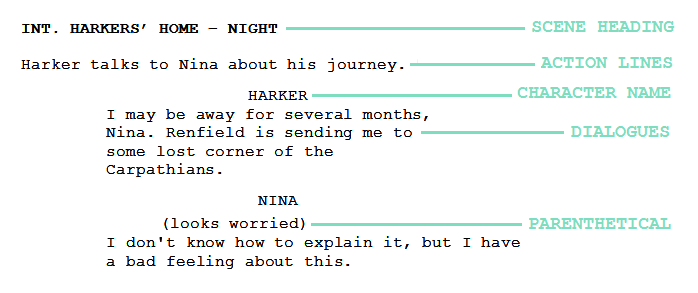
El guion es un elemento muy importante en cualquier obra cinematográfica, dado que es la base sobre la cuál se crea una película. El guion nos cuenta la historia completa, las acciones que se desarrollan y los diálogos de cada personaje. También describe los lugares donde se filmarán ciertas escenas. 
Elementos del guion
Picture
Encabezado de escena (Scene heading)
Les dice a los lectores dónde y cuándo tiene lugar la escena. Consta de tres partes:
  1. La abreviatura INT. (Interior) o EXT. (Exterior) que se usan para indicar si la acción se desarrolla en lugares cerrados o abiertos.
  2. El lugar donde transcurre la acción. 
  3. La hora del día.

Ejemplos:
  • ​EXT. CENTRAL PARK – NIGHT
  • EXT. COFFEE SHOP – DAY
  • INT. LIVING ROOM – SUNSET
  • EXT. CIRCUS – AFTERNOON
  • INT. TRAIN STATION - NOON
Lineas de acción (Action lines)
Prepara la escena, presentan personajes y describen sus acciones. Estas se escriben en tercera persona y con los verbos en presente.

Ejemplos:
1. HARKER finds the COUNT DRACULA lying in a coffin. He is horrified and runs away in horror.
2. The phone rings and CATHERINE quickly grabs it not to disturb people around. 
3. CHARLES stands to leave, but the waitress blocks his exit. 
Nombre del personaje (Character name) y dialogos (Dialogues)
El nombre del personaje se usa antes de que un personaje hable y a continuación irá su dialogo.

Ejemplo:
​                       COUNT DRACULA
 Welcome to my house. Come freely. Go safety and leave something of the happiness you bring. 
Elementos entre paréntesis (Parenthetical)
Describe lo que un personaje siente o hace cuando habla.

Ejemplos:
                        SUSAN
            (excited)
 It’s fantastic!


                        RUPERTH
            (sarcastically)
Here comes the sexiest man in the world.


                        CARL
           (with a smile)
​Yes... thank you!
0 Comments

Instructions for science experiments

11/8/2020

3 Comments

 
Category: Topics in the syllabus
Picture
Picture
Most common instructions in Science experiments
1. Mix
Picture
  • Mix the ingredients -  Mezcla los ingredientes.
  • Mix the baking soda and sugar in a bowl - Mezcla el bicarbonato de sodio y el azúcar en un tazón.
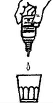
2. Add
Picture
  • Add a few drops of food colouring to the water - Agrega unas gotas de colorante para alimentos al agua.
  • Add a teaspoon of baking soda - Agrega una cucharadita de bicarbonato de sodio.
  • Add a gummy bear to each glass - Agrega una gomita de osito a cada vaso.
3. Fill
Picture
  • Fill the glass with water - Llena el vaso con agua.
  • Fill the bucket until it is around half full with water - Llena el balde hasta que esté medio lleno con agua.
4. Pour
Picture
  • Pour the mixture into the bowl - Vierta/Vacía la mezcla en el tazón.
  • Pour hot water into the glass - Vierta/Vacía  agua caliente en el vaso.
  • Pour 1 cup of vinegar into the jar - Vierta/Vacía 1 taza de vinagre en el frasco.
  • Pour 40 ml of water into the bottle - Vierta/Vacía 40 ml de agua en la botella.
  • Pour the lemmon juice into the cup and stir - Vierta/Vacía el jugo de limón en la taza y revuelva.
  • Pour in an equal amount of water as lemon juice - Vierta/Vacía la misma cantidad de agua que el jugo de limón.
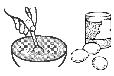
5. Stir
Picture
  • Stir sugar and salt in a glass - Revuelva azucar y sal en un vaso.
  • Stir the food coloring until the water is all one color - Revuelva el colorante para alimentos hasta que el agua tenga un solo color.
  • Stir until all sugar are dissolved - Revuelva hasta que todo el azúcar se disuelva.
6. Hold
Picture
  • Hold the test tube - Sostega el tubo de ensayo.
  • Hold the bottle by the neck - Sostenga la botella por el cuello.
  • Hold a plastic drinking straw by its sides - Sostenga una popote de plástico para beber por los lados.
  • Hold the bucket by its handle - Sostenga el balde por su asa.
  • Hold the balloon close to your ear - Sostenga el globo cerca de su oído.
7. Put
Picture
  • Put the paper above the lamp - Ponga el papel arriba de la lampara. 
  • Put the cap on tightly - Ponga la tapa firmemente.
  • Put the cardboard over the mouth of the glass - Ponga el cartón sobre la boca del vaso.
  • Put on your gloves to avoid contamination - Pongase los guantes para evitar la contaminación.
8. Place
Picture
  • Place the batteries into the battery slot - Coloque las baterías en el compartimiento para las baterías.
  • Place the egg carefully into the glass - Coloque el huevo con cuidado en el vaso.
  • Place the printable star chart on top of a cardboard circle - Coloque la tabla de estrellas imprimible encima de un círculo de cartón.
  • Place the flashlight in the bottom hole - Coloque la linterna en el orificio inferior.
  • Place the ping pong ball above the hair dryer - Coloque la pelota de ping pong sobre el secador de pelo.
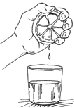
9. Squeeze
Picture
  • Squeeze the lemons - Exprima los limones.
  • Squeeze as much of the juice from the lemons as you can into the glass - Exprima la mayor cantidad posible de jugo de los limones en el vaso.
10. Turn
Picture
  • Turn the lights on/off - Encienda/apague la luz.
  • Turn the microwave oven on - Encienda el microondas.
  • Turn on/off the water - Abra/cierre la llave del agua.
  • Turn the glass upside down - Dele la vuelta al vaso.
3 Comments

Environmental emergencies

11/3/2020

5 Comments

 
Category: Topics in the syllabyus
Picture
Picture
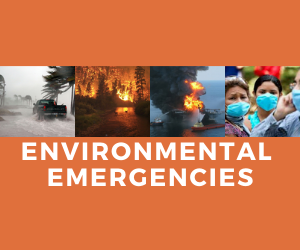
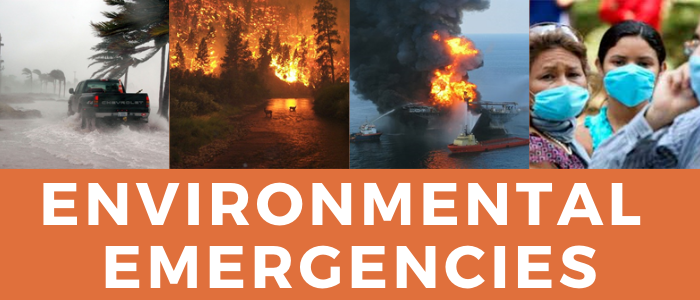
What is an environmental emergency?
It's a sudden-onset disaster or accident resulting from natural, technological or human-induced factors, or a combination of these, that causes or threatens to cause severe environmental damage as well as loss of human lives and property.
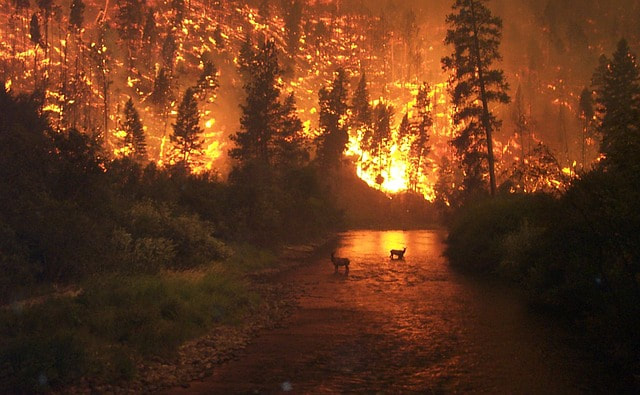
1. Wildfire
Picture
It’s an uncontrolled fire occurring in nature.
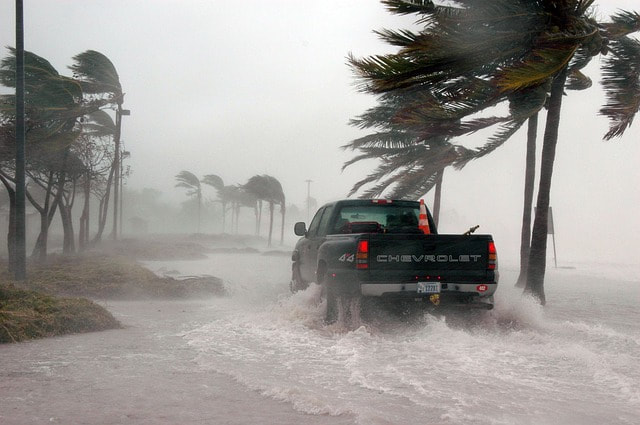
2. Hurricane
Picture
It’s a type of storm called a tropical cyclone, which forms over tropical or subtropical waters.
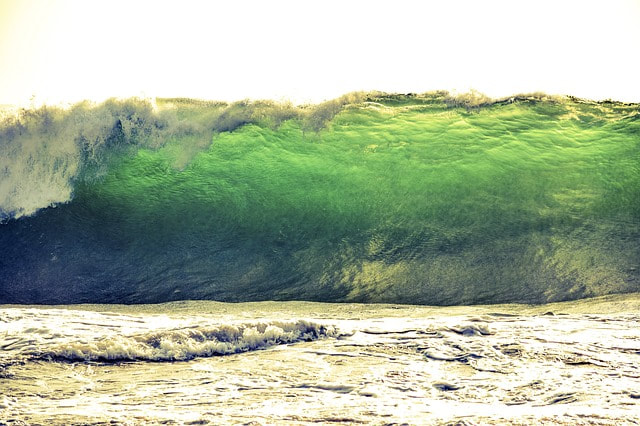
3. Tsunami
Picture
It’s a long high sea wave caused by an earthquake, submarine landslide, or other disturbance.
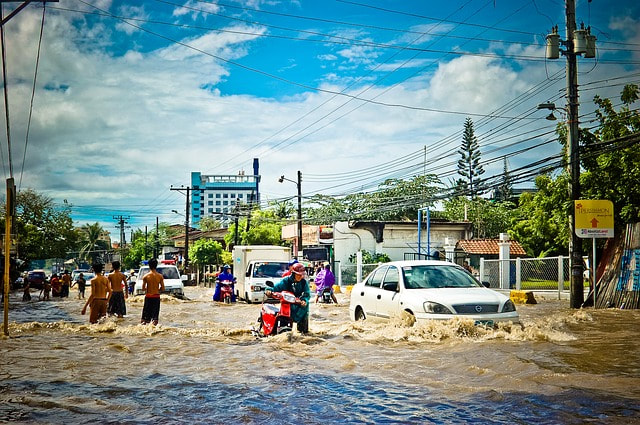
4. Flood
Picture
It’s a common natural disaster when water inundates land that is normally dry.
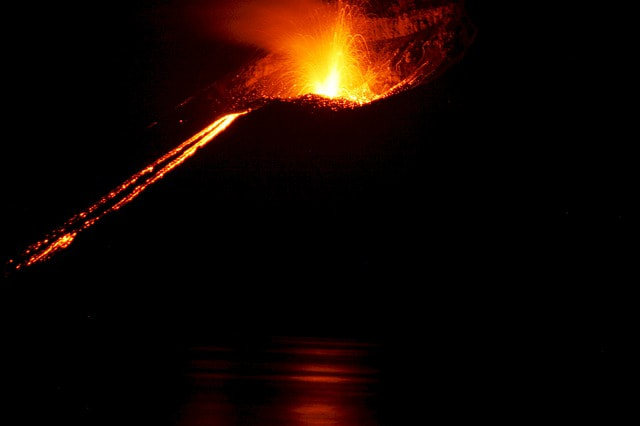
5. Volcano
Picture
It’s a rupture in the crust of the Earth that allows hot lava, volcanic ash, and gases to escape from a magma chamber below the surface.
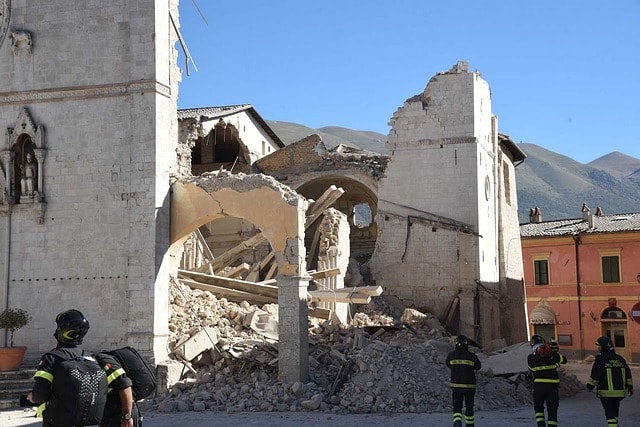
6. Earthquake
Picture
It’s a sudden and violent shaking of the ground, sometimes causing great destruction, as a result of movements within the earth's crust or volcanic action.
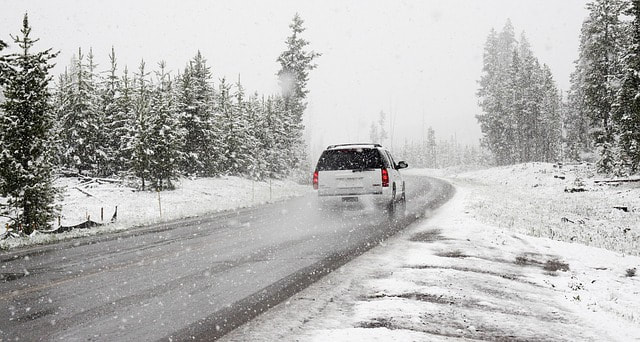
7. Ice storm
Picture
It’s a heavy fall of snow, especially with high wind and extreme temperatures.
8. Influenza
Picture
It’s an infectious disease caused by a virus, the most common symptoms are chills, fever, sore throat, muscle pains and coughing.
9. Extreme heat
Picture
It’s a period of excessively hot weather and high humidity with temperatures above 40 degrees Celsius.
5 Comments
<<Previous
Forward>>

    Categories

    All
    Adapted-materials
    Adjetivos
    Adverbios
    App
    Classroom Management
    Comunicación
    Conectores
    Connectors
    CTE
    Determiners
    Google Classroom
    Gramática
    Grammar
    Information Sources
    Learning
    Lesson Planning
    Phonics
    Pronombres
    Pronouns
    Pronunciation
    Speaking
    Spelling
    Stop Saying
    Sustantivos
    Teaching
    Technology
    Tiempos Verbales
    Topics In The Syllabus
    Verb Tenses
    Vocabulario
    Vocabulary

    Recent blog posts!


Home
Learn English | Teach English
Juicy & Fresh Blog
Copyright © 2025  www.juicyenglish.com
All Rights Reserved.
Contact | Terms & Privacy policy | Report error
  • Home
  • Store
  • Fase6
    • Primergrado
    • Segundogrado
    • Tercergrado
  • Cycle4
    • Firstgrade
    • Secondgrade
    • Thirdgrade
    • adaptedmaterials
    • recuperacion
  • Blog
  • reforzamiento
  • reforzamiento2
  • adistancia
    • adistancia1g
    • adistancia2g
    • adistancia3g
  • hibrida
    • hibrida1g
    • hibrida2g
    • hibrida3g
  • aprendeencasa
  • covid19
  • listenandfillin
  • listenandreadalong
  • LearnEnglish
    • Grammar
    • Vocabulary
  • Contact Me
  • adistancia1g